Appetronix Acquires Cibotica to Expand Beyond Pizza and Accelerate Food Robotics Deployment
Appetronix, a fast-growing player in autonomous kitchen robotics, has acquired food automation startup Cibotica in a move aimed at expanding beyond pizza into a broader range of cuisine formats. Financial terms of the deal were not disclosed.
The acquisition brings Cibotica’s ingredient-dispensing and portioning technology—developed to handle a wide range of food types—into Appetronix’s platform. The addition is expected to accelerate the company’s ability to deploy robotic kitchen systems across multiple environments, including airports, hospitals, universities, and entertainment venues.
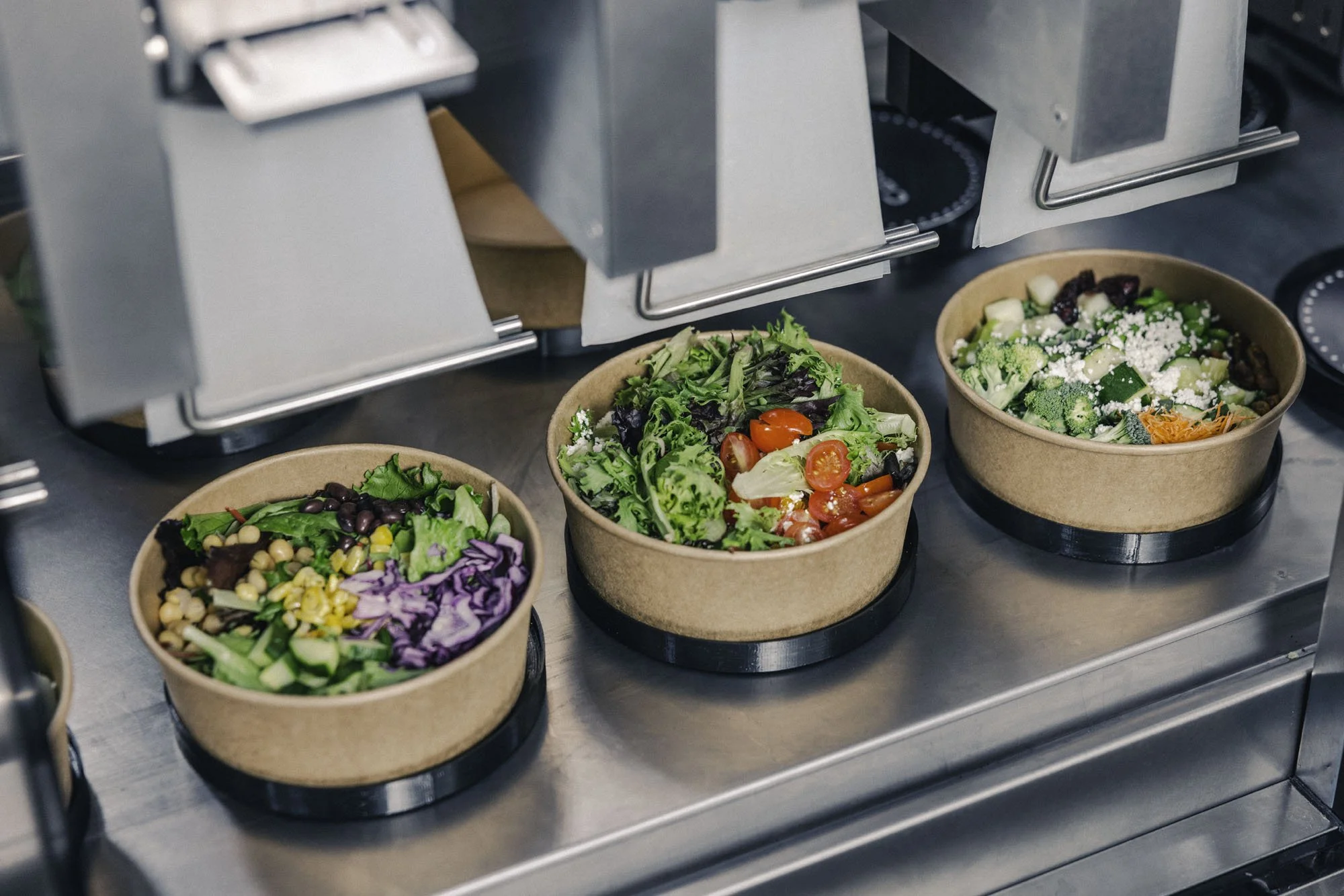
At the center of the deal is Cibotica’s flagship system, an automated bowl and salad assembly platform capable of producing up to 300 meals per hour. The system uses machine learning to optimize portioning accuracy, with claims of reducing labor costs by as much as 30% and food waste by up to 50%.
Appetronix, which currently operates robotic pizza kitchens through a partnership with Donatos—including a fully autonomous location at John Glenn Columbus International Airport—has been building toward broader kitchen automation. The integration of Cibotica’s modular, under-counter dispensing system allows the company to move into more complex and varied food preparation workflows.
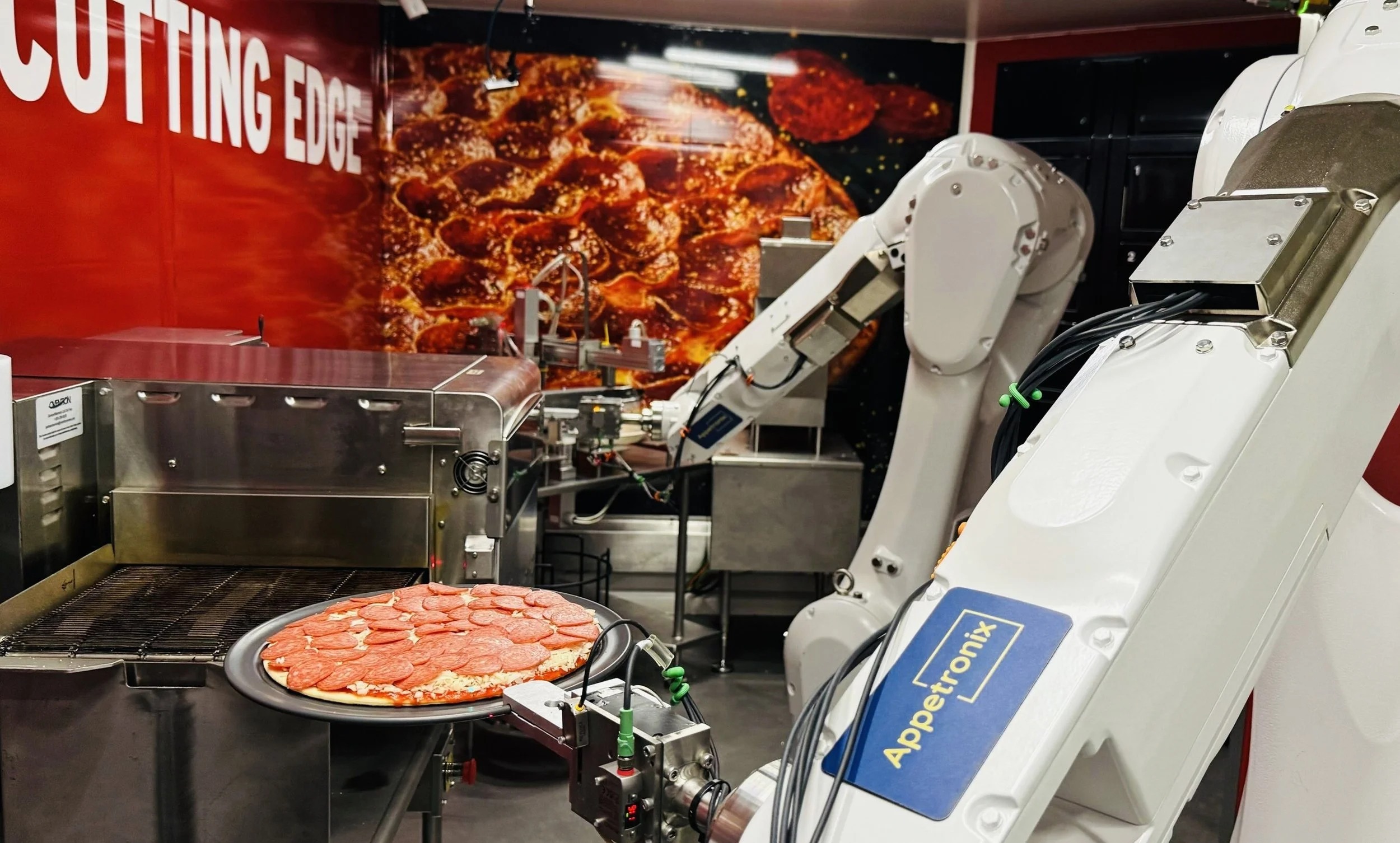
Executives from both companies framed the acquisition as a sign of maturation within the food robotics sector, where successful exits have historically been limited. By bringing Cibotica into a larger platform, Appetronix is positioning itself as both a technology integrator and a scaling vehicle for smaller robotics innovators.
The deal follows Appetronix’s recent $12 million seed funding round, led by AlleyCorp and the Grote family, which is expected to support expanded deployment of its robotic kitchen systems.
Founded in 2021, Cibotica built its platform around a core premise: that successful food automation requires deep alignment with real-world kitchen operations. Its technology integrates with existing point-of-sale and back-of-house systems, offering a plug-and-play approach designed to fit into current restaurant layouts.
The acquisition underscores a broader trend in robotics: the shift from standalone innovations to integrated platforms capable of scaling across multiple use cases. In foodservice, that shift may determine which companies move from pilot projects to sustained commercial deployment.
