The University of Florida states that Robots and AI will define the Future of Farming
Artificial intelligence and robotics could increase agricultural productivity by 35% by 2030, University of Florida weed scientist Nathan Boyd told state senators last week. His remarks come as UF breaks ground on its new Center for Applied Artificial Intelligence in Agriculture, a major research hub that will design and build farm robots and deploy advanced sensing tools to improve crop yields, reduce pesticide use, and streamline labor-intensive tasks like harvesting.
Boyd stressed that Florida’s agriculture sector faces mounting pressure from labor shortages, an aging workforce, and declining access to domestic farm labor. Two-thirds of U.S. crop workers are immigrants, and demographic trends show the labor pool shrinking. Robotics, he said, isn’t optional—it’s the only scalable path forward for a state that feeds the nation during winter months.
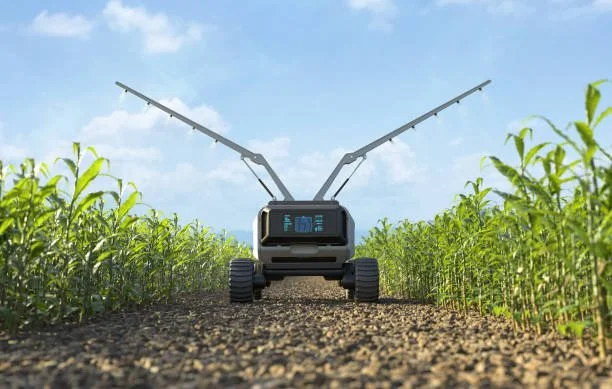
Automation is already reshaping the industry. Robotic harvesting, a $236 million market in 2022, is projected to exceed $6.8 billion by 2030. Agriculture drones could reach $18 billion in five years. As technology improves, robots will monitor plant health, optimize inputs, and raise product quality across farms large and small.
The new UF center, supported by $2.25 million in state funding and nearly 100 planned staff, will accelerate Florida’s growth as an ag-tech leader. The state has formally designated agricultural technology as a target industry, citing its potential for job creation, innovation, and long-term economic impact.
Powered by UF’s HiPerGator—the nation’s most advanced university-owned supercomputer—the initiative underscores a statewide commitment to making Florida a national hub for AI-driven agriculture.
Sponsored Ad.
