Arm Creates Physical AI Unit to Accelerate Push into Robotics and Humanoid Markets
Chip technology company Arm Holdings has reorganized its business to create a new Physical AI unit, signaling a major strategic push into robotics and embodied artificial intelligence. Company executives confirmed the move to Reuters at CES 2026, where humanoid robots and physical automation have emerged as dominant themes.
The reorganization establishes Physical AI as one of Arm’s three core business lines, alongside Cloud and AI and Edge, which includes mobile and PC products. The new unit will house Arm’s automotive business and serve as the focal point for its expanding robotics strategy.
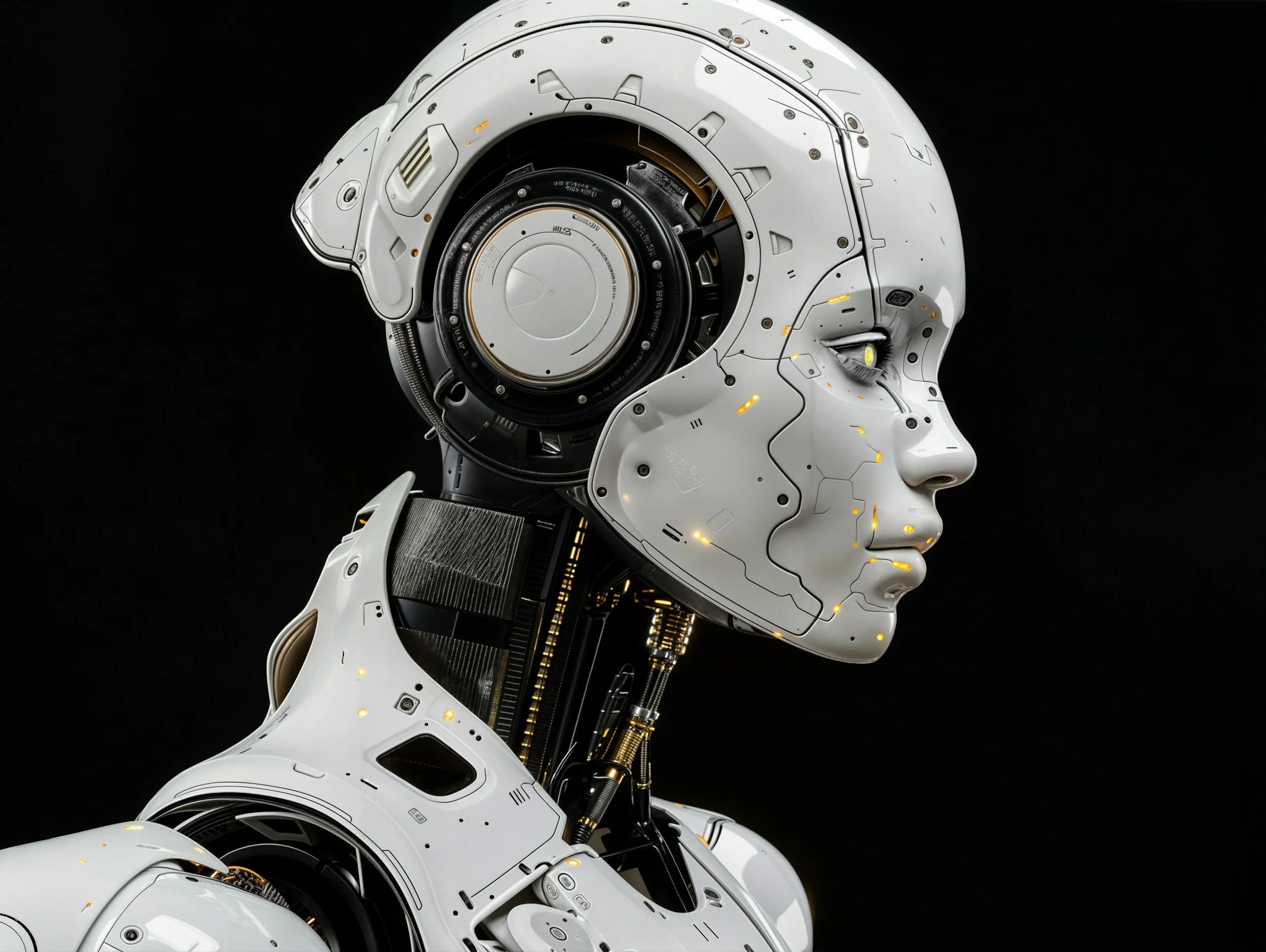
Robotics and automotive applications share similar technical requirements, including strict power constraints, safety, reliability, and real-time performance, according to Arm executives. By combining the two under a single organizational structure, the company aims to better serve customers building autonomous vehicles, factory robots, and humanoid systems.
“Physical AI solutions can fundamentally enhance labor, free up extra time, and have a meaningful impact on GDP,” said Drew Henry, head of the newly formed Physical AI unit. Arm plans to add dedicated staff focused on robotics, Chief Marketing Officer Ami Badani said.
Arm, headquartered in the UK, does not manufacture chips but licenses processor designs and collects royalties when its technology is used. Its architectures already power most of the world’s smartphones and are increasingly used in laptops, data centers, vehicles, and embedded systems. Arm-based chips are widely used across the automotive sector and by robotics companies including Boston Dynamics, which is owned by Hyundai.
The move comes as interest in humanoid robots surges across both the technology and automotive industries. At CES this year, dozens of companies demonstrated robots capable of tasks ranging from industrial assembly to cleaning, logistics, and entertainment. While many of the demonstrations remain slow and highly controlled, the volume of activity underscores growing industry confidence in human-form machines as the next major frontier of AI.
Several automakers are now developing their own humanoid robots. Tesla CEO Elon Musk has repeatedly said the company’s Optimus robot could eventually surpass its vehicle business in economic impact. Hyundai, meanwhile, recently unveiled a production-ready version of Boston Dynamics’ Atlas humanoid robot, with plans to begin deploying it in U.S. factories by 2028.
Badani said Arm combined automotive and robotics into a single Physical AI unit because customer needs across both sectors increasingly overlap. “The requirements for power efficiency, functional safety, and reliability are very similar,” she said, adding that multiple automakers are now active in humanoid robotics development.
Since CEO Rene Haas took over roughly four years ago, Arm has pursued a more aggressive growth strategy, including raising prices on its latest technologies and exploring the possibility of designing its own complete chips. The creation of the Physical AI unit is part of that broader effort to expand Arm’s addressable market beyond traditional mobile and computing devices.
When asked about customers, Henry said, “We work with everyone.” Arm’s technology is used by dozens of automakers globally and a growing number of robotics developers building systems for factories, warehouses, healthcare, and public environments.
With CES 2026 shaping up as a showcase for humanoid and service robots, Arm’s move underscores a wider industry shift: AI is no longer confined to data centers and screens. It is increasingly being designed to operate in the physical world—on factory floors, in vehicles, and alongside people.
