California-based Faraday Future Intelligent Electric Inc. is extending its ambitions beyond vehicles and into classrooms, announcing a new partnership with Triple I to launch an Embodied AI (EAI) robotics summer camp in the United States.
The initiative marks the company’s first major step into the education sector for its robotics business, signaling a broader strategy built around what it calls a “Robot & Vehicle + Education” ecosystem—an effort to connect its embodied AI platforms with real-world learning environments.
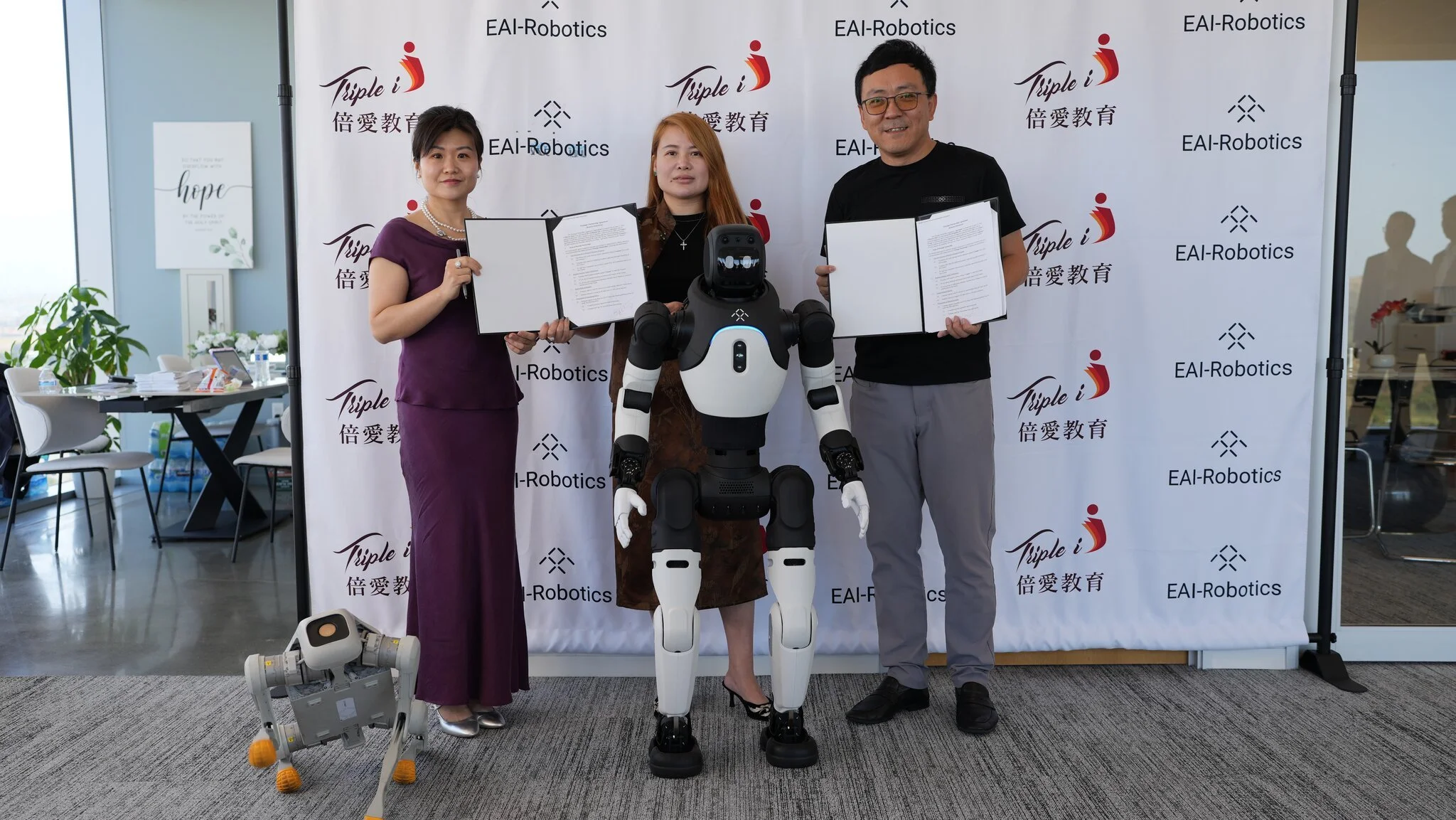
From Concept to Classroom
The partnership was formally introduced at a launch event in Irvine, California, centered on the theme of how humans and machines will co-define the future of education. The event brought together students, parents, and educators, reflecting growing demand for hands-on AI and robotics learning at earlier stages of education.
At the core of the initiative is Faraday Future’s embodied AI robot, designed to function as both a research assistant and teaching tool. The system is intended for deployment across schools, labs, and research institutions, supporting everything from robotics training and programming to data collection and experimentation.
Live demonstrations at the event showcased the robot’s ability to interact, interpret tasks, and execute actions in real time—offering a glimpse into how embodied AI may shift from abstract concept to everyday educational tool.
Building Skills for the AI Era
The summer camp curriculum, co-developed with industry input, will initially focus on middle and high school students. Early coursework includes robotics operation, task design, and foundational programming, with plans to expand into more advanced areas such as AI training, data analytics, and systems development.
According to Triple I CEO Stella Yu, the goal is to create a more flexible, student-centered pathway into technical education—one that combines practical skills with individual interests.
For Faraday Future, the move reflects a longer-term view of embodied AI not just as a product category, but as infrastructure for learning.
“EAI robots are not just products. They are intelligent carriers connecting AI with the real world,” said Co-CEO Chris Chen. “We view education as one of the most valuable long-term applications.”
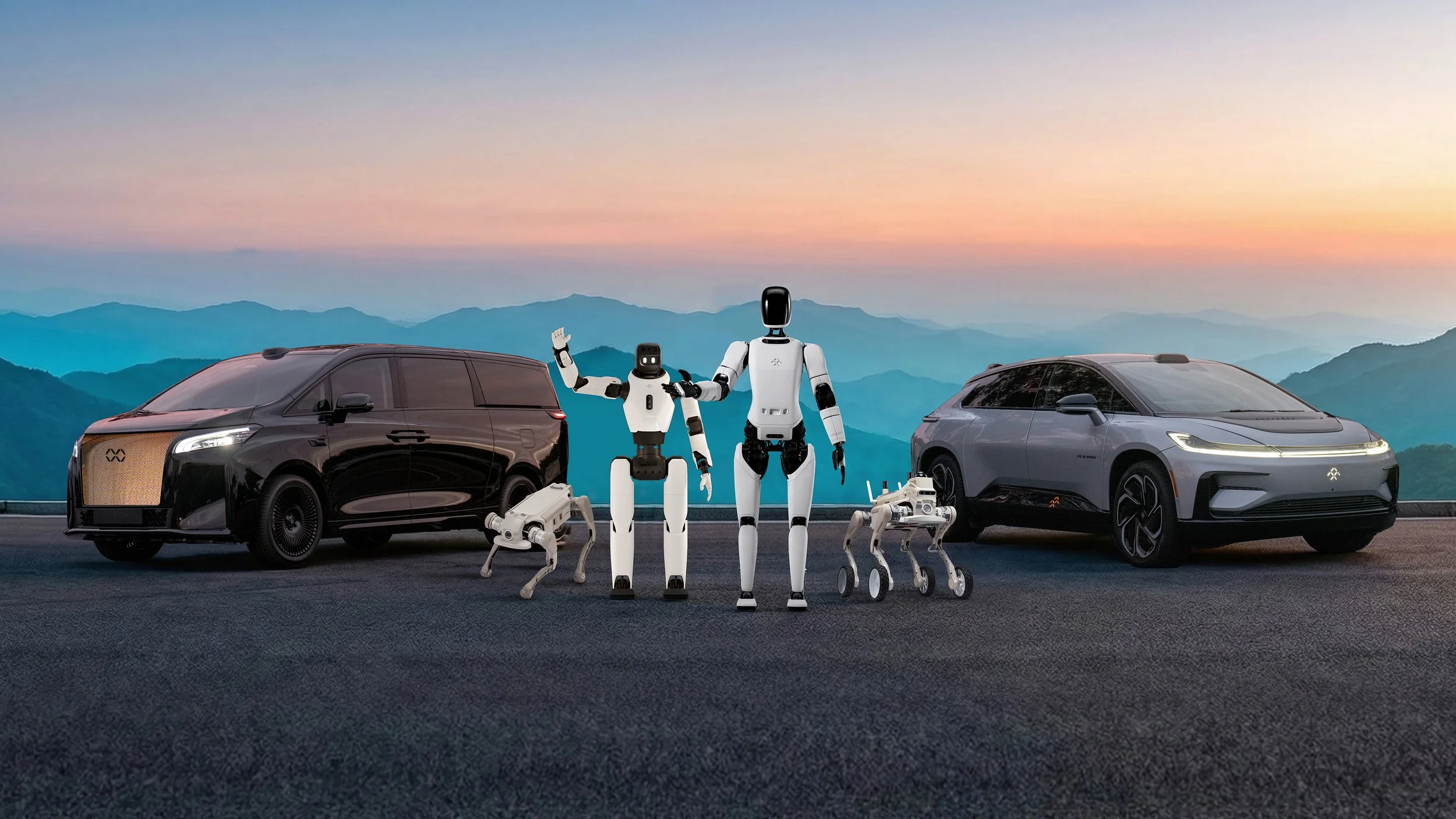
A Broader Ecosystem Play
The partnership also signals a coordinated push to build an education ecosystem around embodied AI. In addition to summer camps, the two organizations plan to collaborate on innovation programs, applied technology training, and future workforce development initiatives.
The effort is already drawing institutional attention. Days before the launch, Fiona Ma visited Faraday Future’s headquarters and helped unveil what the company describes as the state’s first Embodied AI Robotics Education and Innovation Lab.
Together, these moves point to a growing alignment between industry, education providers, and government around the role of robotics in future workforce development.
The Bigger Picture: Embodied AI Meets Education
Faraday Future’s expansion into education reflects a broader shift in the robotics landscape: the move from teaching AI as software to teaching it as something physical, interactive, and embedded in the real world.
As embodied AI systems become more capable, the question is no longer just how to build them—but how early people should learn to work alongside them.
With this initiative, Faraday Future is betting that the answer starts in the classroom.
