The U.S. Navy is taking a decisive step toward integrating robotics into frontline operations, with its top officer signaling plans to establish a dedicated Warfighting Development Center focused on robotic and autonomous systems (RAS).
Speaking at the Sea-Air-Space Exposition, Chief of Naval Operations Daryl Caudle outlined a vision for moving unmanned capabilities beyond isolated deployments and into fully integrated mission sets.
“We need to move these capabilities from individual units into composite mission sets, including contested logistics,” Caudle said, emphasizing the need to operationalize autonomy at scale.
From Experiments to Operational Doctrine
The proposed center would mirror existing Navy Warfighting Development Centers, which focus on areas like aviation and surface warfare, but with a dedicated mandate: developing tactics, training, and deployment strategies for autonomous systems.
While no formal timeline has been announced, the intent is clear—transition robotics from experimental programs into core operational doctrine.
This shift reflects a broader transformation underway within the Navy. Earlier this year, Caudle introduced a new operational framework aimed at combining high-end manned platforms with cost-effective unmanned systems. The approach—sometimes referred to as a “Golden Fleet”—seeks to create a more adaptive and resilient force capable of responding to rapidly evolving threats.
The Rise of Robotic and Autonomous Systems at Sea
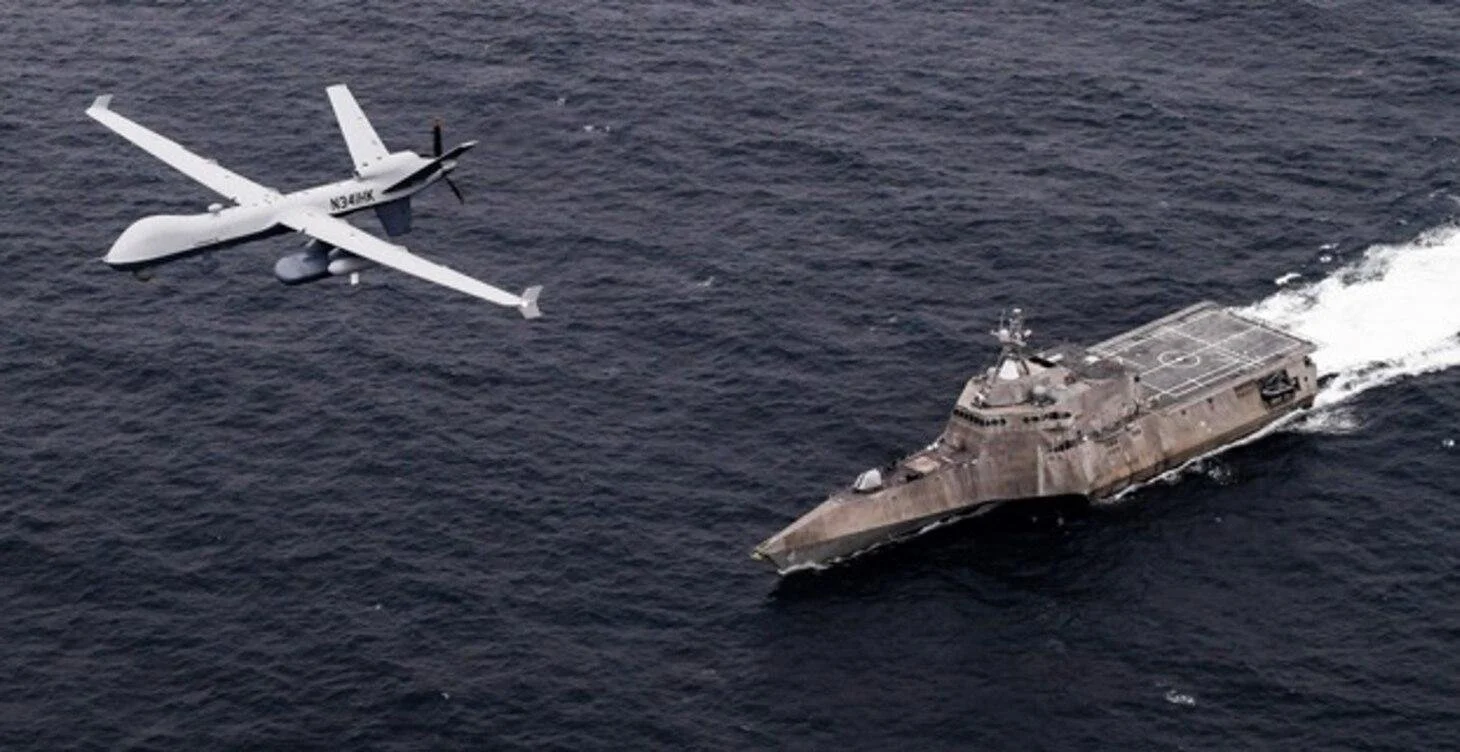
Central to this strategy is the integration of drones across all domains:
Surface vessels
Undersea platforms
Aerial systems
Collectively referred to as RAS, these systems are expected to extend the fleet’s reach while reducing risk to personnel.
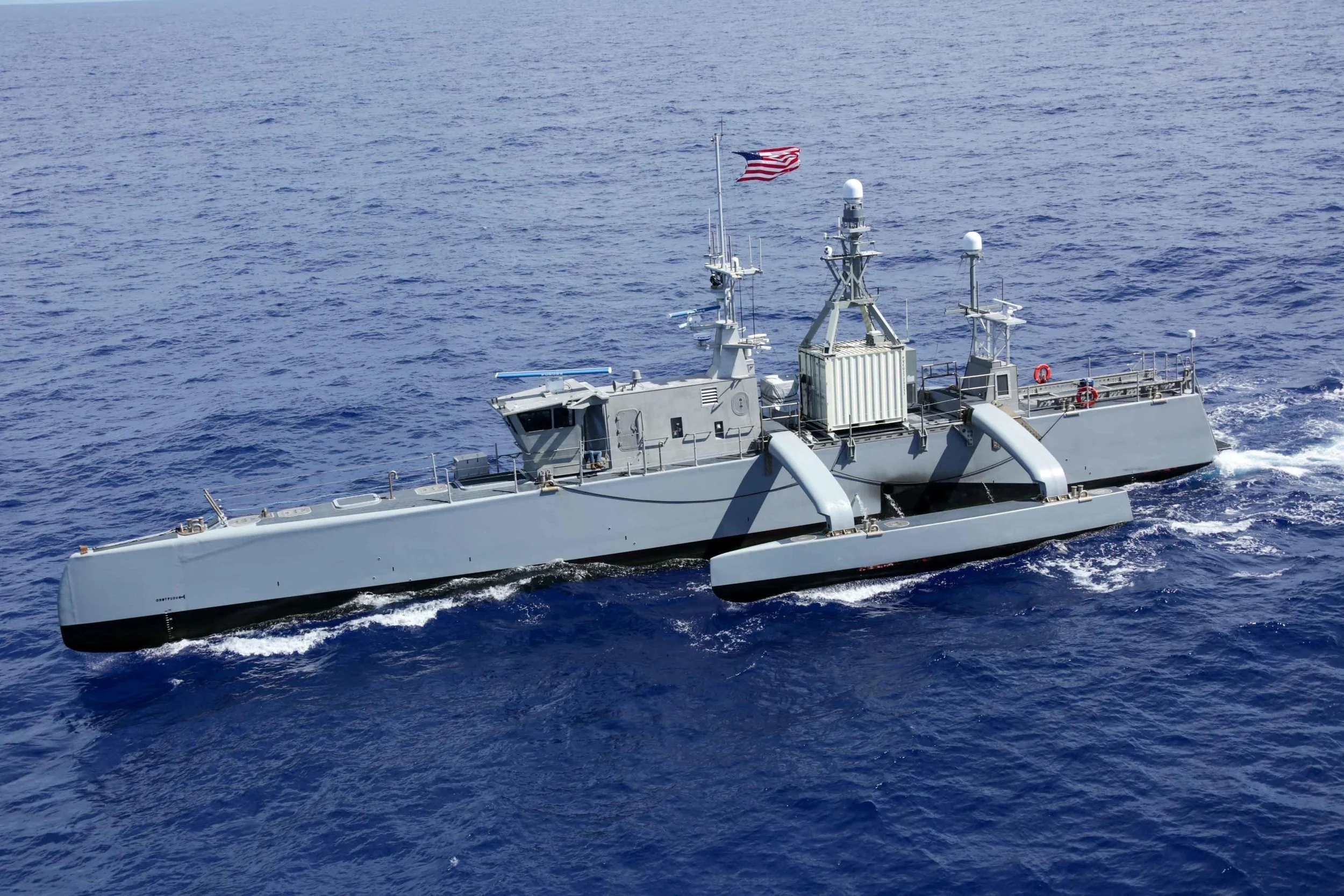
One of the most immediate and practical use cases is logistics. Caudle highlighted the use of unmanned surface vessels (USVs) to transport food, parts, and supplies between ships—enabling resupply operations without exposing sailors to danger.
“Replenishing underway without risking humans is a major use case,” he noted.
Moving Into Real-World Deployment
The Navy is already beginning to transition key systems from prototype to deployment. Medium-sized unmanned surface vessels (MUSVs), long part of experimental programs, are now being integrated into operational fleet formations.
In a notable milestone, the Navy plans to deploy its first MUSV alongside the Theodore Roosevelt Carrier Strike Group—a signal that autonomous systems are moving from testbeds into real-world missions.
A Structural Shift in Naval Warfare
The proposed RAS-focused Warfighting Development Center underscores a deeper shift: autonomy is no longer a side capability—it is becoming foundational to how the Navy generates combat power.
Caudle framed the urgency in stark terms, pointing to global competition, evolving threats, and the need for faster adaptation.
“The challenges we face today demand more than incremental improvement,” he said. “They demand that we rethink how we generate combat power as a system.”
Beyond Technology: Integration as the Real Challenge
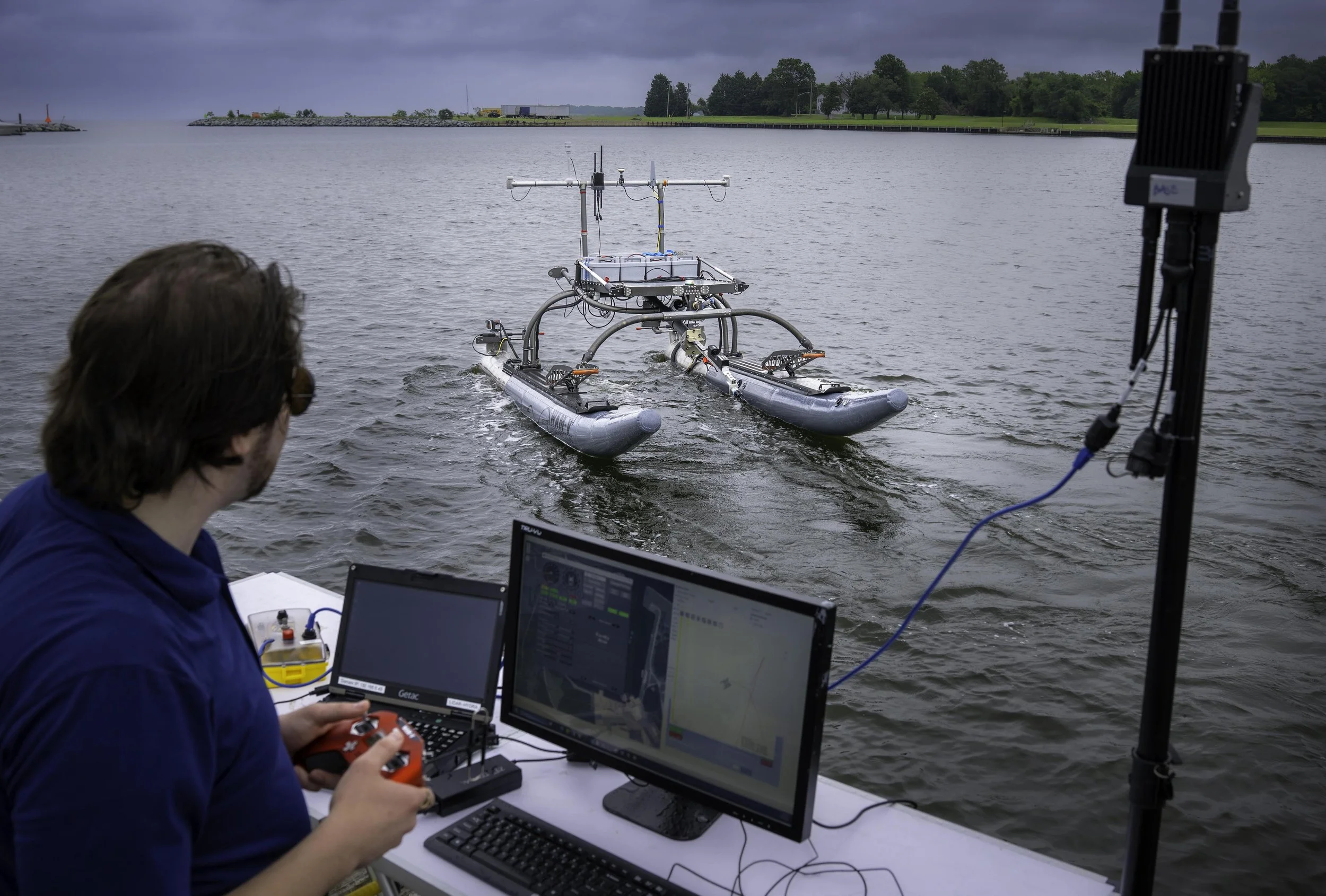
While the technology itself continues to mature, the Navy’s next challenge is organizational—how to integrate autonomous systems into existing command structures, training pipelines, and operational concepts.
The creation of a dedicated Warfighting Development Center for RAS would mark a critical step in that direction, helping to bridge the gap between capability and deployment.
In many ways, the Navy’s approach reflects a broader reality across robotics:
The systems may be ready.
The question is whether institutions can adapt quickly enough to use them.
