Europol Warns of Rapid Rise in Unmanned Systems Across Crime and Law Enforcement
Europol has released a sweeping new analysis on how drones, robots, and other unmanned systems are reshaping society, crime, and policing across Europe — and the urgent steps agencies must take to keep pace.
The report, The Unmanned Future(s): The Impact of Robotics and Unmanned Systems on Law Enforcement, was published today by the Europol Innovation Lab and marks one of the agency’s most comprehensive examinations of emerging unmanned technologies to date.
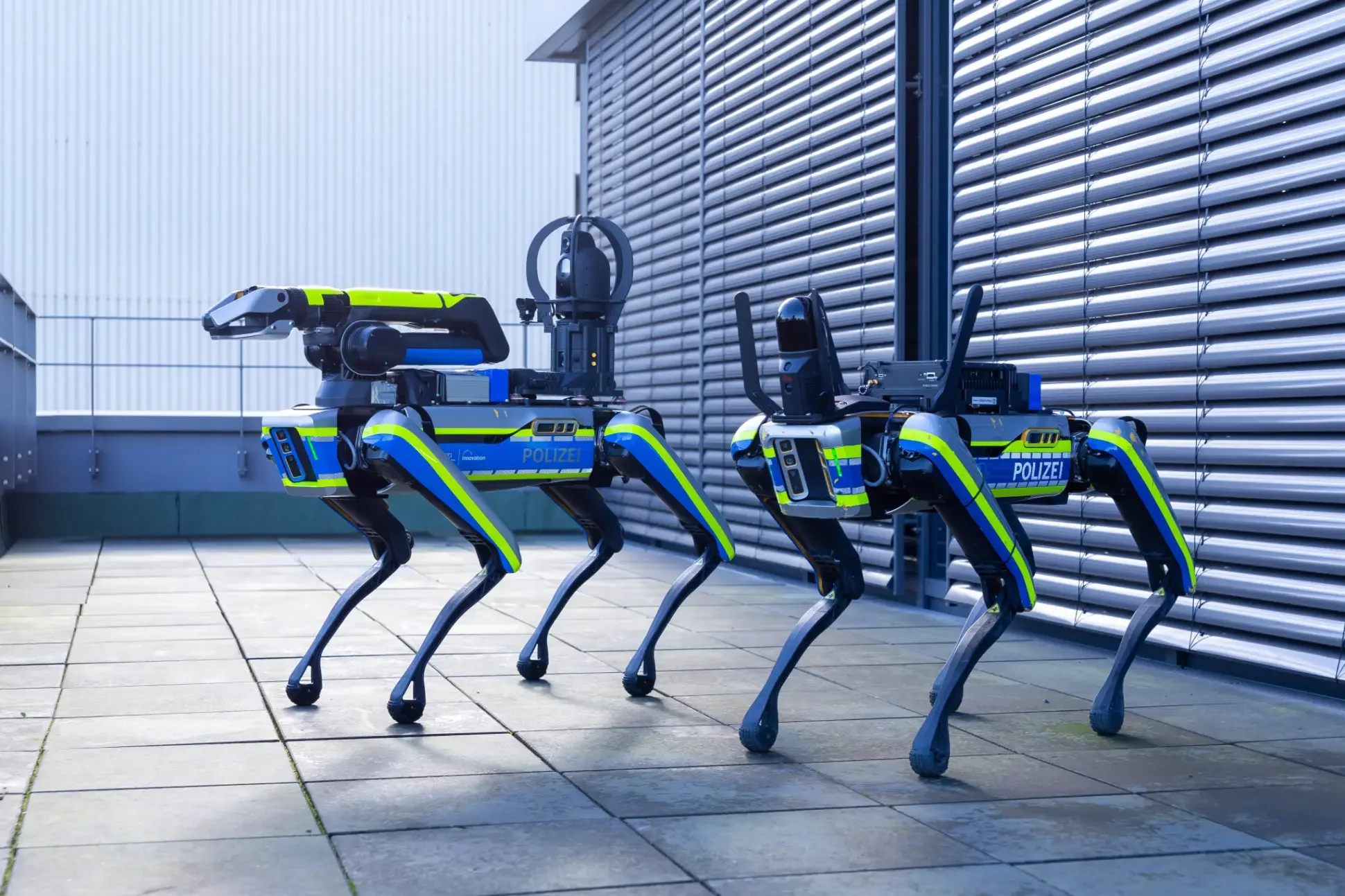
As unmanned systems become more capable, affordable, and widely deployed, law enforcement agencies are expanding their use across operations — from crime-scene mapping and surveillance to explosive ordnance disposal and search-and-rescue work. But the same technologies are rapidly being adopted by criminal and terrorist networks, creating new security threats and regulatory challenges.
A Turning Point for Law Enforcement
Europol Executive Director Catherine De Bolle said the integration of unmanned systems into criminal activity is no longer speculative — it is already happening.
“We have to ask ourselves how criminals and terrorists might use drones and robots some years from now,” De Bolle said. “Just as the internet and smartphones presented significant opportunities as well as challenges, so will this technology.”
The report outlines how the accelerating use of drones in recent conflicts, including Russia’s war against Ukraine, has become a major driver of innovation. The lessons learned from battlefield deployments — from autonomous targeting to mass-produced FPV systems — are quickly informing both commercial development and criminal misuse in Europe.
New Opportunities, New Threats
Unmanned systems are now widely used across both public and private sectors. For law enforcement agencies, they offer enhanced situational awareness, greater reach, and reduced risk to officers.
But they also introduce vulnerabilities. Europol highlights several emerging concerns:
Criminal adoption: Gangs and terrorist groups are increasingly using drones for smuggling, reconnaissance, and potential attacks.
Technical limitations: Many law enforcement agencies still rely on systems with limited autonomy and heavy dependence on industrial suppliers.
Regulatory gaps: Existing frameworks struggle to keep pace with autonomous operations and with enforcement against non-compliant or malicious users.
Public Trust as a Critical Factor
The report stresses that transparency and accountability are essential for maintaining public support for unmanned systems in policing. Without clear guidelines, oversight mechanisms, and community engagement, the deployment of drones and robots risks undermining trust in law enforcement institutions.
Preparing for a 3D Operating Environment
Europol predicts that the future of policing will extend across air, ground, surface, and underwater domains — a shift that will require new strategies, new training pipelines, and new operational doctrines. Agencies will need to integrate unmanned assets into broader information systems and develop cross-border competency hubs to keep pace with rapidly advancing technology.

Key Recommendations
The report calls on European law enforcement agencies and policymakers to:
Develop a coordinated strategic direction for unmanned systems
Establish a Europe-wide competency hub
Integrate unmanned systems into existing information platforms
Invest in training, education, and public engagement
Strengthen regulatory frameworks to address misuse and autonomy
A Blueprint for the Next Decade
With unmanned systems now central to both public safety operations and criminal activity, Europol argues that Europe must act now to shape the rules, capabilities, and safeguards that will govern the next decade of policing.
The full report, available on Europol’s website, includes detailed case studies, technical assessments, and policy recommendations for law enforcement agencies, regulators, and industry stakeholders.
