From Field Reality to Robotic Design: Rethinking How We Build Military Robots
The robotics industry often begins with a promise: a system designed to meet a defined set of requirements. But too often, those requirements are abstractions—constructed far from the environments where the machines will actually operate.
The U.S. Army’s recent work on the next generation of its robotic load-carrying vehicle, the Small Multipurpose Equipment Transport (SMET) Increment 2, takes a different approach. Instead of starting with engineering assumptions, it begins with soldiers.
Led by the 75th U.S. Army Reserve Innovation Command, the study gathered structured feedback from units across active duty, National Guard, and Reserve components. Soldiers were not simply asked what features they wanted; they were asked how they actually used the system, where it failed, and what would make it indispensable in real missions.
The methodology reflects a level of rigor rarely seen in robotics development. Surveys grounded in formal capability documents were paired with in-depth interviews and operational documentation, producing both quantitative and qualitative insight. The result—80 responses consolidated into statistically significant datasets—moves the conversation beyond anecdote into evidence.
This is not user-centered design as a slogan. It is user-centered design as infrastructure.
The Burden That Drives the System
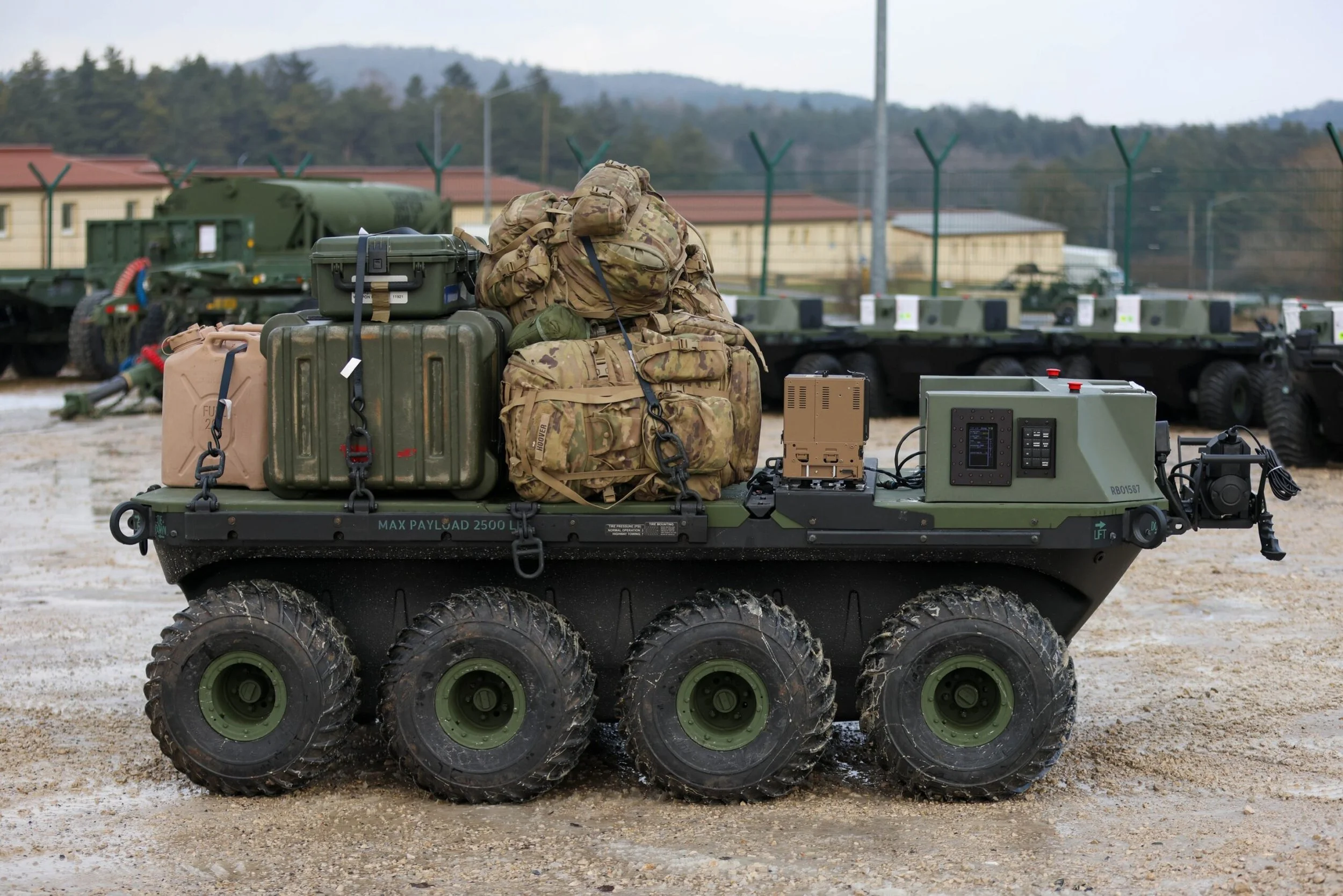
At the heart of SMET is a problem that requires no abstraction: weight. Modern soldiers routinely carry loads exceeding 100 pounds—an accumulation of weapons, communications systems, batteries, water, and protective equipment that directly impacts mobility, endurance, and long-term health.
SMET Increment 1 was introduced to relieve that burden, autonomously following units while carrying equipment and providing mobile power. But what matters is not that the robot can follow. What matters is whether it can follow reliably, across terrain, under pressure, and without becoming a new source of friction.
The feedback gathered in this study reinforces a broader truth about robotics. Capability alone is not enough. Systems must integrate into the tempo, unpredictability, and constraints of human work. In this case, soldiers are not asking for more autonomy in the abstract. They are asking for systems that reduce cognitive load, minimize intervention, and operate as extensions of the team rather than liabilities to be managed.
This is where robotics shifts from technology to infrastructure. The question is no longer what the robot can do, but whether it can be depended on.
From Demonstration to Dependability
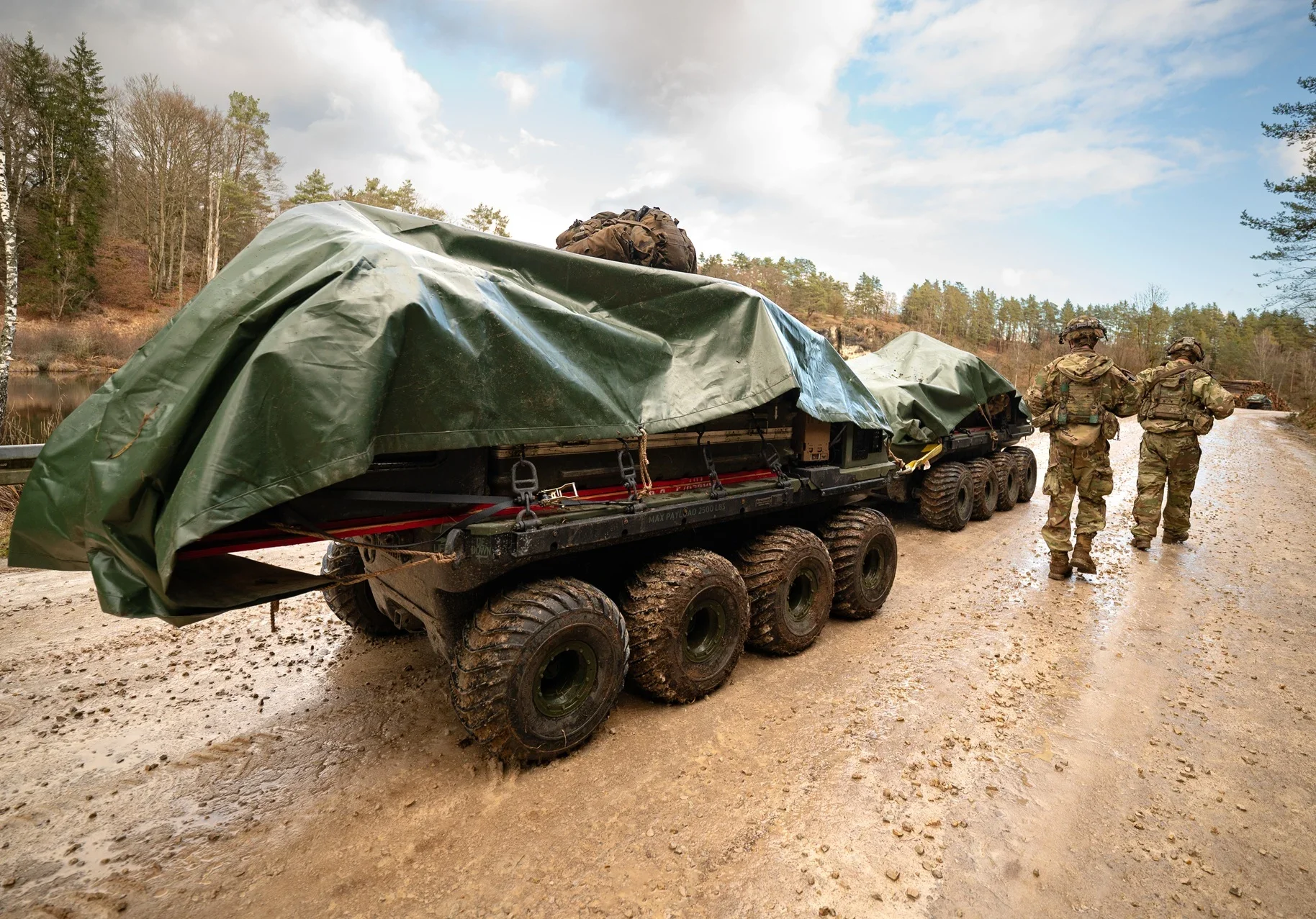
The significance of this effort extends beyond a single Army program. It points to a larger transition underway across robotics: the move from demonstration to deployment, from capability to dependability.
By grounding SMET Increment 2 in operational data, the Army is building a feedback loop that many sectors still lack. The insights gathered are now informing formal requirements within Program Executive Office Ground Combat Systems, shaping not just what the next system will be, but how it will be judged.
This approach challenges a persistent pattern in robotics, where systems are evaluated on technical sophistication rather than real-world performance. A robot that performs flawlessly in a controlled environment but introduces friction in the field is not a success. It is a mismatch.
What the SMET study demonstrates is a quieter, more durable model of progress—one where systems evolve through use, where feedback is structured and measured, and where the ultimate metric is not innovation, but utility.
It also raises a broader question for the industry.
If the most effective robots are those shaped by the realities of their users, then the challenge is not just building better machines. It is building better processes for listening, measuring, and adapting.
The Army, in this case, is not just developing a robot.
It is refining a method for how robots should be built.
