Japan’s Yaskawa and SoftBank Team Up to Bring Physical AI Robots Into Everyday Workspaces
Japan’s Yaskawa Electric and SoftBank are joining forces to bring a new generation of AI-powered robots into offices and other busy public spaces. The companies announced Monday that they have signed an MOU to accelerate the real-world deployment of “physical artificial intelligence” — robots capable of understanding their environment and taking appropriate action in dynamic, human-centric settings.
As an initial step, the partners have co-developed a concept robot designed specifically for office use. Unlike traditional industrial robots, which excel at repetitive, pre-programmed tasks, this prototype can handle activities once considered unrealistic for workplace automation — including tidying desks and fetching items from shelves.
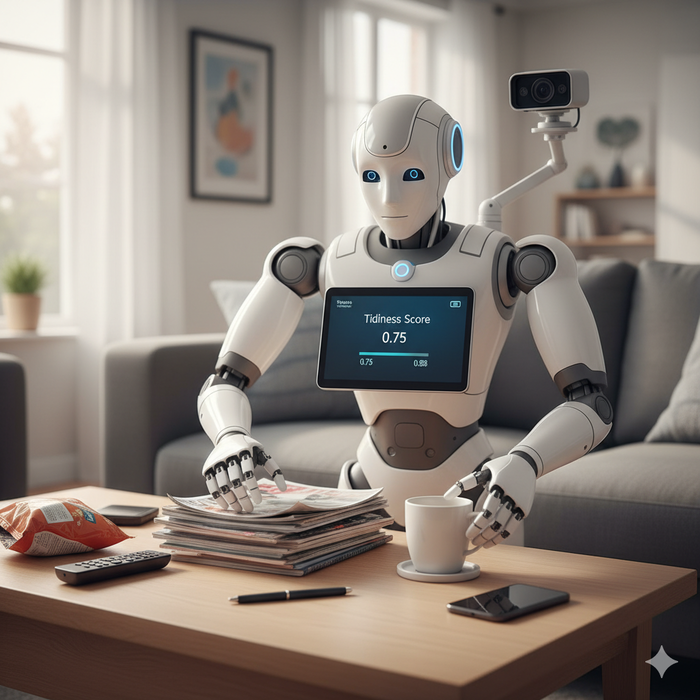
AI-Generated Concept Idea
The collaboration aims to overcome a long-standing challenge: offices, hospitals, and schools demand robots that can adapt in real time rather than operate on fixed routines. Yaskawa brings decades of expertise in industrial and humanoid robotics with onboard AI, while SoftBank contributes its emerging AI-RAN platform, which fuses AI with high-capacity wireless networks.
Under the joint architecture, SoftBank’s platform generates tasks based on situational data, and Yaskawa’s robots determine how to execute them using precision control systems. SoftBank’s low-latency network continuously analyzes information from cameras, sensors, and building systems — feeding robots the instructions they need to take optimal action.
In practice, this means a robot could prepare a conference room before a meeting: wiping tables, retrieving materials, and arranging items for attendees. The system could integrate directly with building management platforms to track room usage, supplies, and workflows.
Looking ahead, Yaskawa and SoftBank envision deploying physical AI robots across hospitals, schools, department stores, and other public facilities — helping address labor shortages while redefining how service tasks are automated.