Army Special Operations Creates Robotics Detachment, Launches New Technician Role as Unmanned Systems Reshape Modern Warfare
The U.S. Army’s special operations forces are accelerating their integration of robotics and autonomous systems, establishing a new dedicated detachment and preparing to add robotics technicians across their formations as the service adapts to the rapidly evolving character of war.
The Army confirmed that 1st Special Forces Command created the Special Operations Robotics Detachment in March 2024, a move directly informed by lessons from ongoing military operations in Ukraine and the rapid proliferation of asymmetric unmanned technologies on modern battlefields.
A New Detachment for a New Era of Warfare
According to Army documentation, the new detachment is composed of aviation soldiers who provide expertise in employing robotic systems and managing Group 1–3 uncrewed aerial systems (UAS). The unit leads innovation in the development, testing, and use of commercial, government, and organically developed robotic platforms across air, land, and maritime environments.
The detachment signals a broader shift occurring within Army Special Operations Command, said Brig. Gen. Joseph Wortham, commander of 1st Special Forces Command.
“This is really an evolution of a capability where we see our ability to help in that deep space,” Wortham said during a panel at the Association of the U.S. Army’s annual meeting. The new unit, he added, forms a “center of knowledge and expertise” around unmanned systems and ensures that mastery can be “passed along… across our O6 units” to drive adoption at scale.
Robotics Technicians Coming to the Force
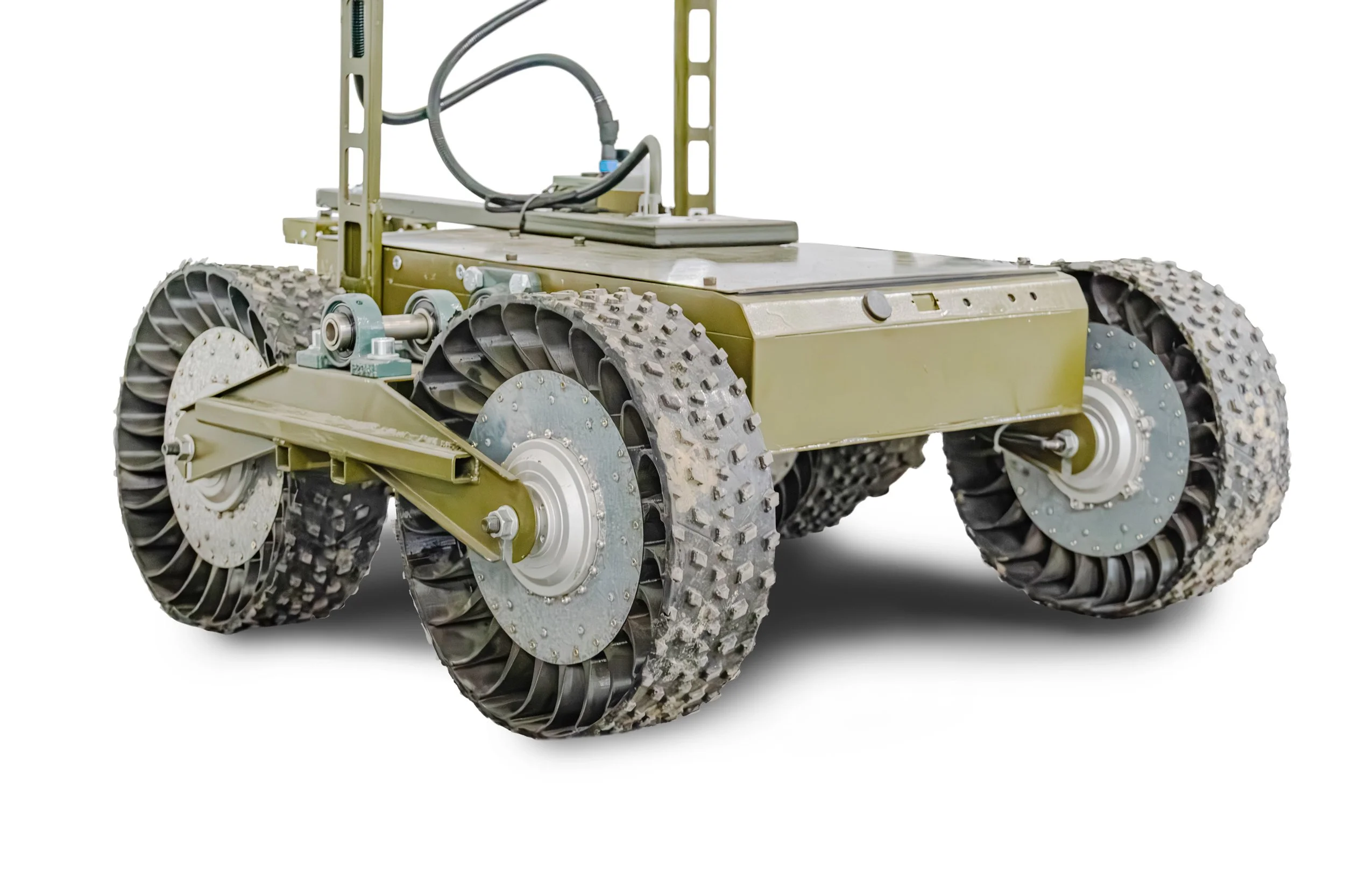
Alongside the new detachment, Army Special Operations will soon bring robotics technicians into its formations, part of a broader modernization push across the Army. The new 390A Robotics Technician specialty is designed to provide advanced integration of robotic and autonomous systems during competition, crisis, and combat.
These warrant officers will serve at brigade and group level and above, acting as the primary experts for planning and integrating unmanned systems into mission sets. Training for the role will include unmanned systems, counter-UAS operations, network and software engineering fundamentals, electronic warfare, artificial intelligence, and machine learning.
Maj. Gen. Jason Slider, commanding general of the Army John F. Kennedy Special Warfare Center and School, said the Army must overhaul how it trains soldiers in robotics to keep pace with operational realities.
“I don’t think there will ever be a time in the future where a soldier doesn’t take a robotic piece of kit and toss it on the ground, in the water, or in the air to perform some tactical task,” Slider said.
As part of this shift, the center is discontinuing its standalone robotics integration course and incorporating robotics instruction directly into all qualification pathways. A new pilot Robotics and Technology Integrator Course for 390A warrant officers will launch in January.
Preparing for a Battlefield Saturated With Unmanned Systems
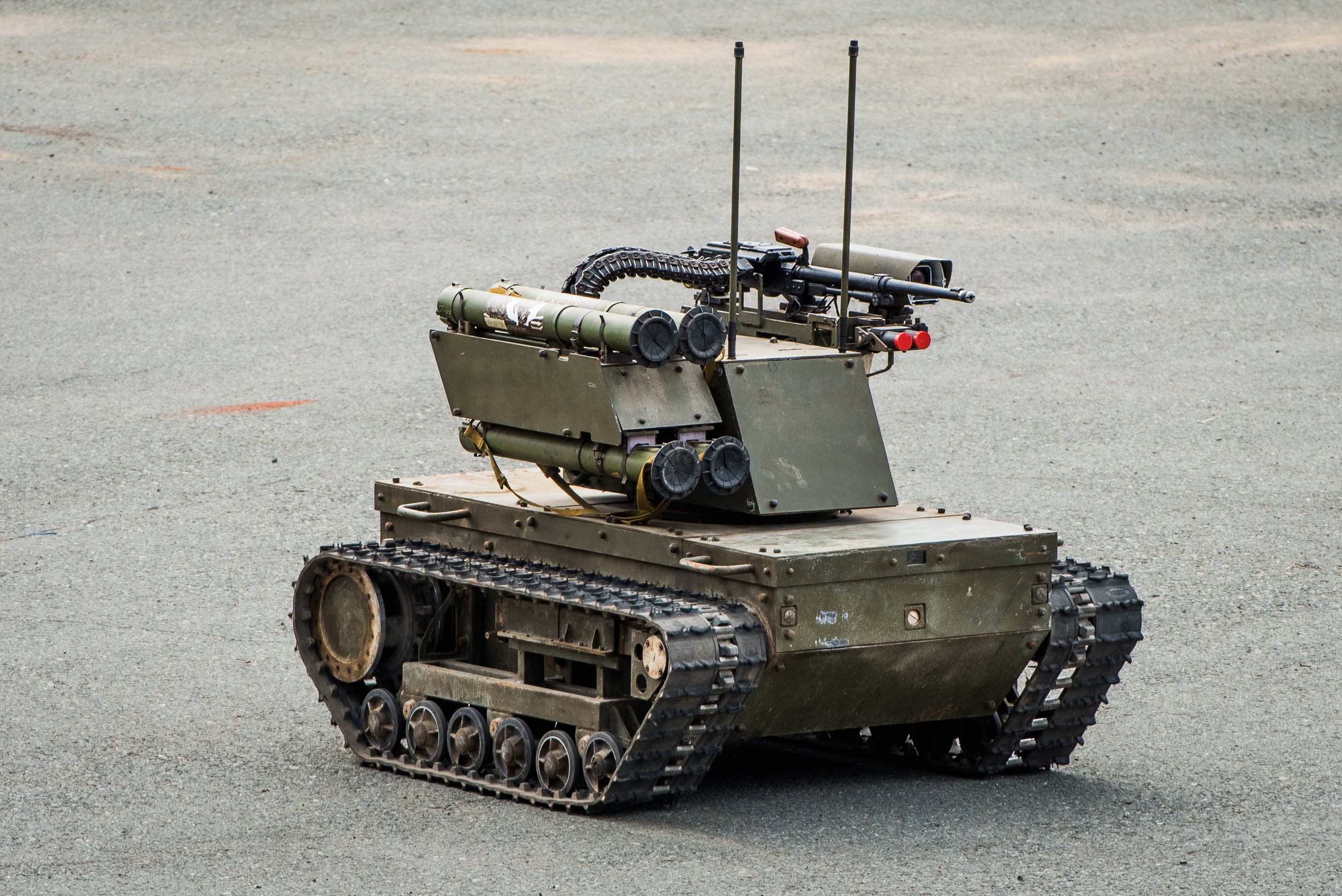
Senior leaders emphasized that integrating unmanned systems throughout Army Special Operations is now essential—not optional.
“The character of war is currently changing,” Wortham said. “The best way for us to adapt is to saturate unmanned systems of all types into our formations at echelon and at scale.”
The new detachment and robotics technician roles represent the Army’s latest efforts to ensure special operations forces can operate, innovate, and maintain dominance on increasingly autonomous and unmanned battlefields.
