Higher milk prices are giving farmers confidence to invest in robotics and data — and the results are showing up on Lely's balance sheet.
A Focused Strategy Pays Off
Lely, the Dutch dairy technology company, has long made a strategic bet that specialisation beats breadth. After selling off its agricultural machinery brands and factories to concentrate exclusively on milk harvesting and animal husbandry, that decision is now bearing clear financial fruit.
Despite a broader downturn in agricultural machinery sales, Lely closed 2025 with an 18% increase in revenue — crossing the €1 billion mark for the first time, up from €857 million in 2024. The company attributes the strong result primarily to elevated global milk prices, which gave dairy farmers the financial confidence to invest in automation and data technologies.
“The 2025 result is better than expected and we are proud of hitting one billion sales,” said André van Troost, CEO of Lely.
Innovation at Full Speed
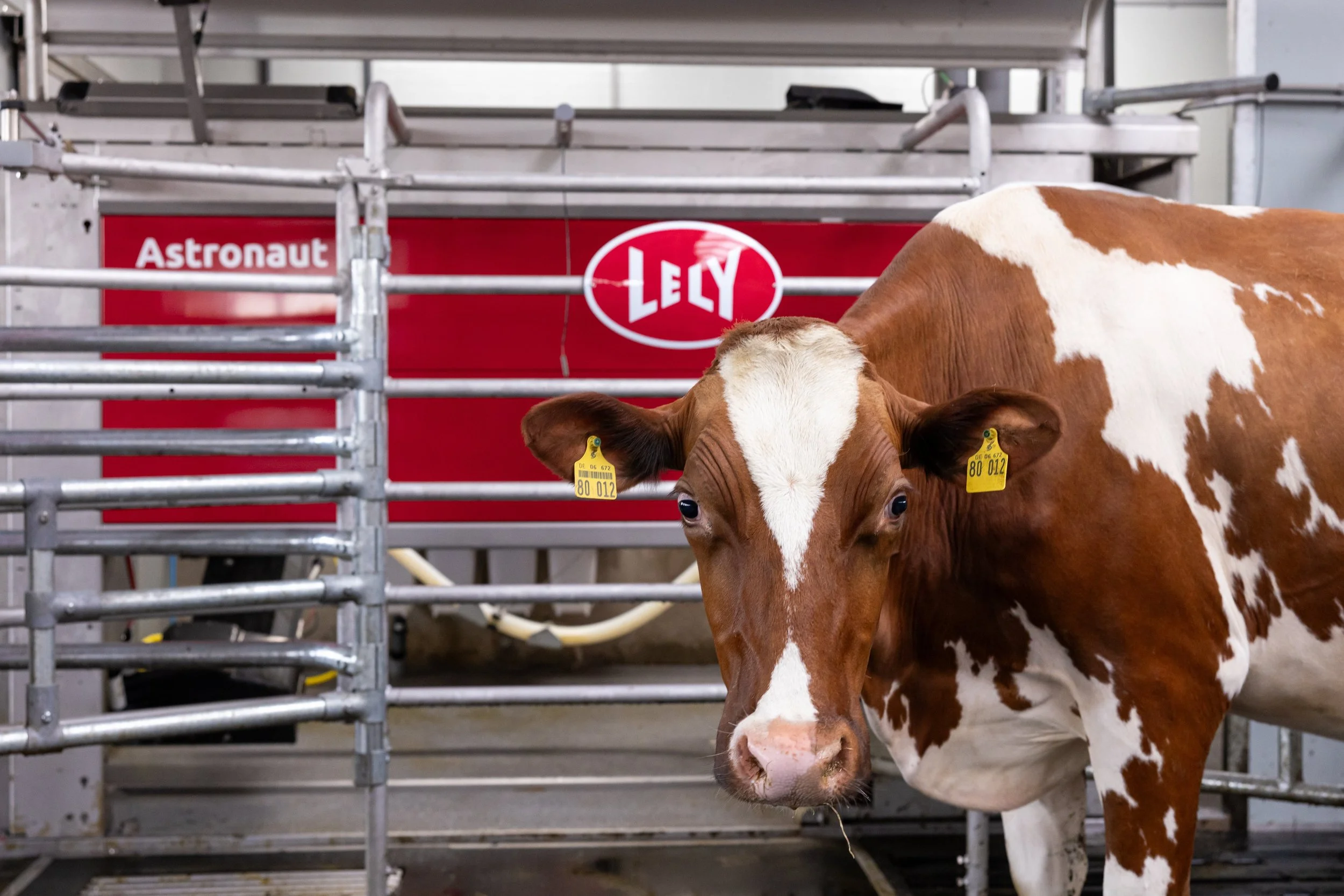
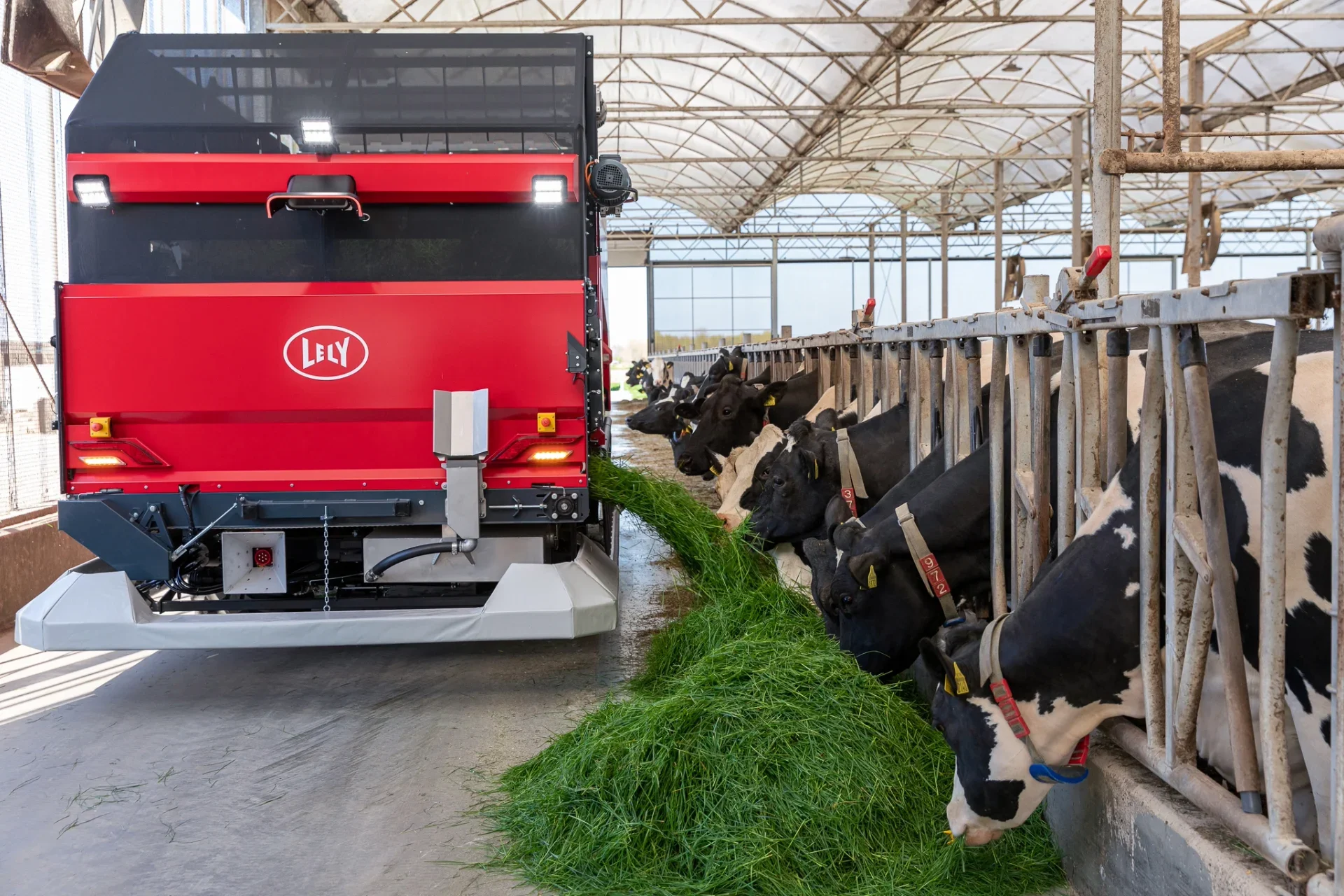
The milestone year was not solely a product of favourable market conditions. Lely invested 8% of its turnover in research and development throughout 2025 and launched four new products: the Vector Next, Astronaut A5 Next, Astronaut Max, and Hub. These launches reflect continued advancement in autonomous feeding, milking robotics, and farm management connectivity.
The Lely Astronaut milking robot has become a cornerstone of modern dairy operations worldwide, enabling cows to be milked on their own schedule around the clock — reducing labour demands and often improving herd health. The new A5 Next iteration represents a further refinement of that platform.
Cautious Optimism for 2026
While Lely enters 2026 with a healthy order book, van Troost was candid about the headwinds ahead. He cited three key areas of concern: significant milk oversupply pushing prices downward, ongoing geopolitical tensions affecting global trade, and emerging uncertainty around silicon chip supply chains.
“The latter might not impact our business in the first half of this year; however, we cannot foresee what will happen towards the second half of the year,” van Troost added.
The chip supply issue is a growing concern across precision agriculture more broadly, as modern farm robotics rely heavily on processors and sensors that sit within the same supply chains strained by global electronics demand.
The Bigger Picture: Sustainability and Digitalisation
Looking further ahead, Lely sees structural tailwinds that support long-term demand for its products. Farmers across the globe are contending with stricter environmental regulations, growing consumer expectations for supply chain transparency, and intensifying pressure to demonstrate sustainable production practices.
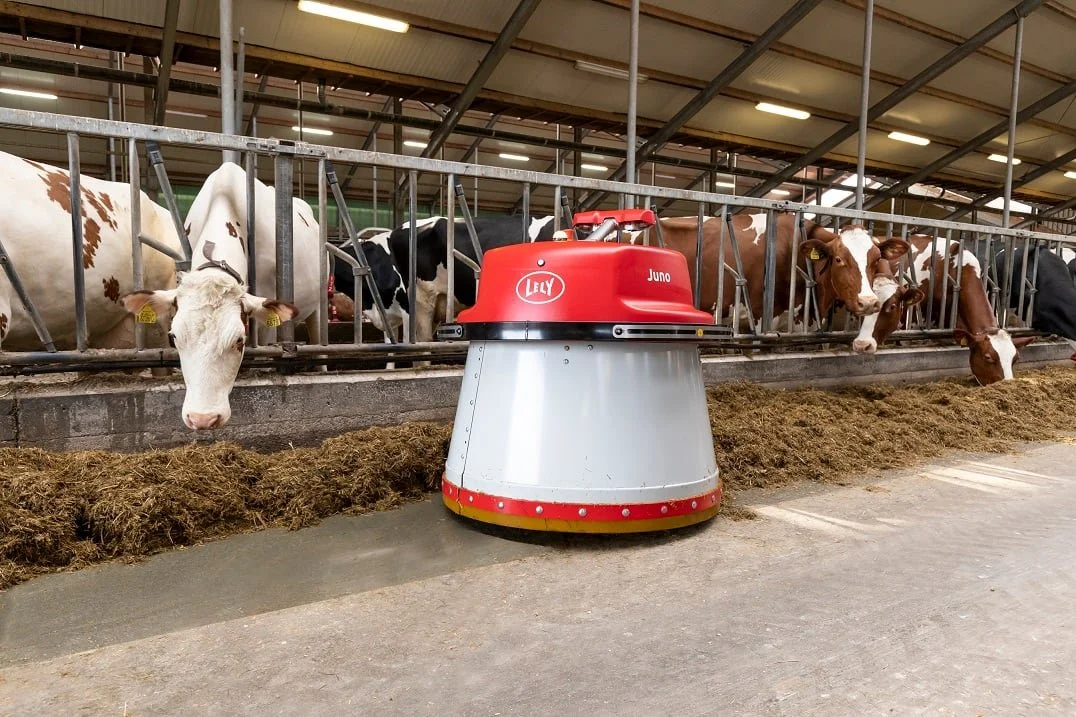
The company argues that robotisation and digitalisation are not optional upgrades but increasingly necessary tools for farmers who want to remain competitive and compliant. Precision milking data, automated feeding, and herd health monitoring are becoming the baseline expectation — not the premium option.
For Lely, having shed the complexity of a broad machinery portfolio to laser-focus on dairy automation, 2025’s billion-euro milestone suggests the strategy is working. The question for 2026 will be whether market conditions allow that momentum to carry forward — or whether the company’s cautious tone proves prescient.
