Milan’s Cutest Disruption: Mirumi, the Robot Bag Charm
During the spectacle of Milan Fashion Week, where couture and celebrity dominate the runways, an unlikely guest is preparing for its debut: Mirumi, a wide-eyed, soft-furred robot designed to cling to luxury handbags and shyly glance at passersby.
Created by Tokyo-based Yukai Engineering, Mirumi is technically a bag charm. Emotionally, it is something closer to a companion. Inspired by the gravitational pull of human babies—big eyes, small movements, subtle responsiveness—Mirumi is marketed as “a charm that steals your heart.” Founder and CEO Shunsuke Aoki says the goal is simple: recreate the involuntary smile a baby elicits, but in robotic form.
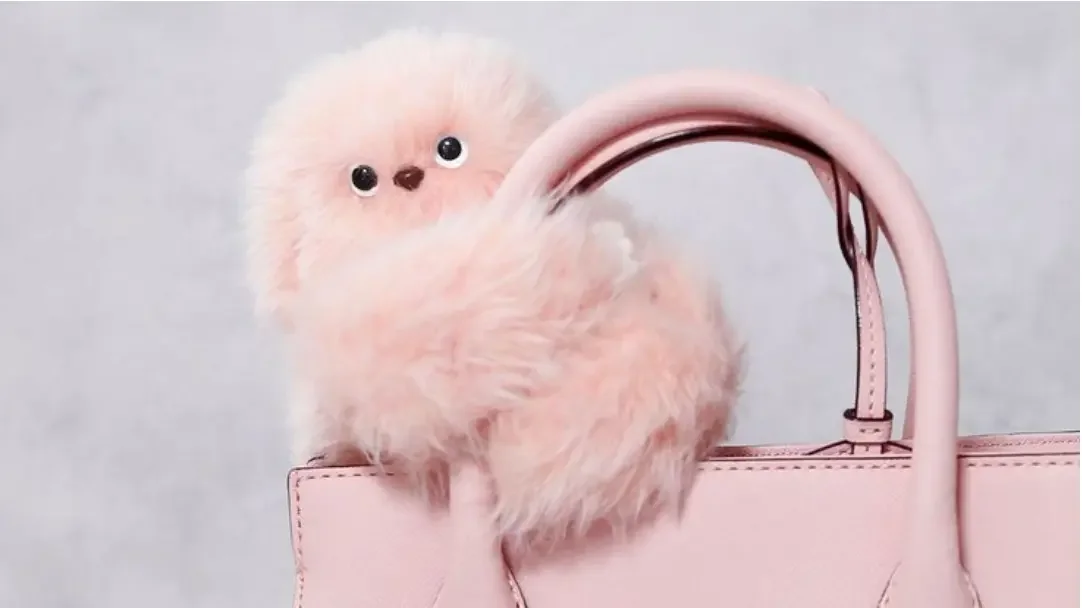
At approximately $149, and available in pink, gray, and white, Mirumi arrives at a curious cultural moment. The so-called “kidult” market—adults purchasing nostalgic toys and collectibles—has exploded globally. The runaway success of Pop Mart’s Labubu figures helped normalize plush accessories clipped to designer bags. Blind-box scarcity, resale hype, and celebrity endorsements turned Labubu into an economic phenomenon—though some now whisper about a cooling “Labubu bubble.”
Mirumi enters this space with a twist: it moves.
Yukai has already secured roughly 4,000 overseas preorders through crowdfunding and plans to manufacture 30,000 units by May. The company is aggressively targeting Europe and the U.K., including a pop-up at Harrods, betting that Western consumers—once skeptical of adult plush culture—are now more receptive. From Jellycat’s global rise to the resurgence of Hello Kitty in American retail, nostalgia has become fashionable currency.
Analysts suggest this isn’t frivolous escapism but emotional economics. Research indicates that global uncertainty drives consumers toward comforting symbols of childhood. Fashion brands from Fendi to Louis Vuitton have embraced whimsical charms as lower-cost entry points into luxury ecosystems.
Mirumi fits neatly into this convergence of robotics and retail therapy. Unlike static plush charms, it looks back at you. It reacts. It lingers on a desk rather than retreating to a drawer.
For Aoki, that distinction matters. “Robots evoke emotion,” he argues. “They aren’t something you put back in a box.”
If Milan once crowned the handbag as the ultimate accessory, it may now be testing whether that handbag needs a heartbeat.
