Phoenix Motor Steps Into Robotics With U.S.-Built Robotic Dog Platform
Phoenix Motor is extending its ambitions beyond electric vehicles and into commercial robotics. The company announced that its wholly owned subsidiary, EdisonFuture Motor, has launched a U.S.-manufactured robotic dog platform aimed at enterprise customers—signaling a strategic shift toward technology-enabled, fleet-based services.
Rather than selling robots outright, EdisonFuture is positioning the platform through a Robot Fleet as a Service (RFaaS) model. Under this approach, the company retains ownership of the robots while handling deployment, maintenance, and software updates. Customers gain access to robotic capabilities without large upfront capital costs, while EdisonFuture builds a recurring revenue stream tied to long-term fleet operations.
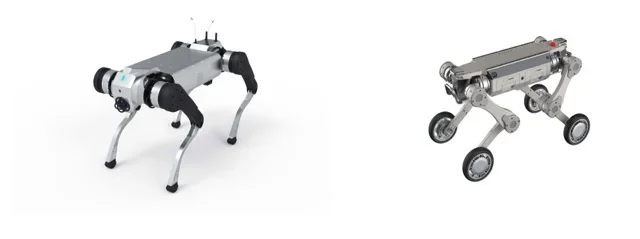
“This initiative reflects our disciplined approach to expanding Phoenix Motor beyond traditional vehicle manufacturing and into technology-enabled fleet services,” said Denton Peng, chairman and CEO of Phoenix Motor. He emphasized the combination of U.S. manufacturing, modular robotics, and fleet economics as a foundation for scalable growth aligned with broader automation trends.
The robotic dog itself is designed as a modular, multi-class platform, targeting applications in logistics, security, inspection, and industrial operations. EdisonFuture plans to offer units ranging from compact robots built for tight or indoor environments to larger versions capable of carrying heavier payloads and operating autonomously using LiDAR-based navigation. The modular architecture allows for rapid reconfiguration, software upgrades, and the integration of third-party sensors—enabling the same base platform to evolve across use cases over time.
Assembly will take place at EdisonFuture’s facility in Anaheim, a move the company says will help reduce supply-chain risk, improve serviceability, and support enterprise and government procurement requirements that increasingly favor domestic manufacturing.
To validate the platform in real-world conditions, EdisonFuture plans an initial pilot deployment of approximately 200 units in Irvine, working with JustGo Delivery. Data and operational insights from the pilot are expected to inform broader commercialization and guide expansion into additional industrial applications.
With this launch, Phoenix Motor is not just adding robots to its portfolio—it is testing whether fleet-based robotics, built domestically and optimized for specific commercial tasks, can follow the same service-driven trajectory now reshaping transportation and logistics.
